Know when to replace your alarm—and what to buy next
Is your smoke alarm chirping, approaching its replacement date, or no longer available to buy?
Smoke Alarm Replacement helps you understand common alarm problems, check when replacement is due, and compare the features that matter before choosing a new smoke or carbon monoxide alarm.
Explore replacement alarms · Find out why your alarm is chirping
Does Your Smoke Alarm Need Replacing?
Changing the battery does not renew the life of the alarm itself.
Smoke alarms generally need replacing ten years after manufacture, or sooner if the manufacturer specifies, the alarm fails testing, or it is affected by a recall. Check the label and instructions for your particular model.
Carbon monoxide alarms and combination smoke/CO alarms can have different replacement schedules. Follow the replacement date and guidance supplied with your alarm.
Not sure how old yours is? Our guides explain where to find the model number, manufacture date and replacement information.
Why Is Your Smoke Alarm Chirping?
An occasional chirp can indicate a low battery, an end-of-life warning or a fault. The meaning depends on the model and its sound or light pattern.
Before buying a replacement, identify your alarm and check its instructions. Our troubleshooting guides help you understand what to look for and when replacement may be necessary.
If your alarm is sounding an emergency warning, treat it as a possible emergency. Get outside, call 911 and stay outside. Do not assume it is a battery problem.
Choose the Right Replacement Alarm
The right replacement depends on your home, your existing alarms and the requirements where you live.
 Battery-Powered Smoke Alarms
Compare alarms with replaceable batteries and models with sealed long-life batteries. Check whether your home requires hardwired or interconnected alarms before choosing a battery-powered replacement.
Hardwired Smoke Alarms
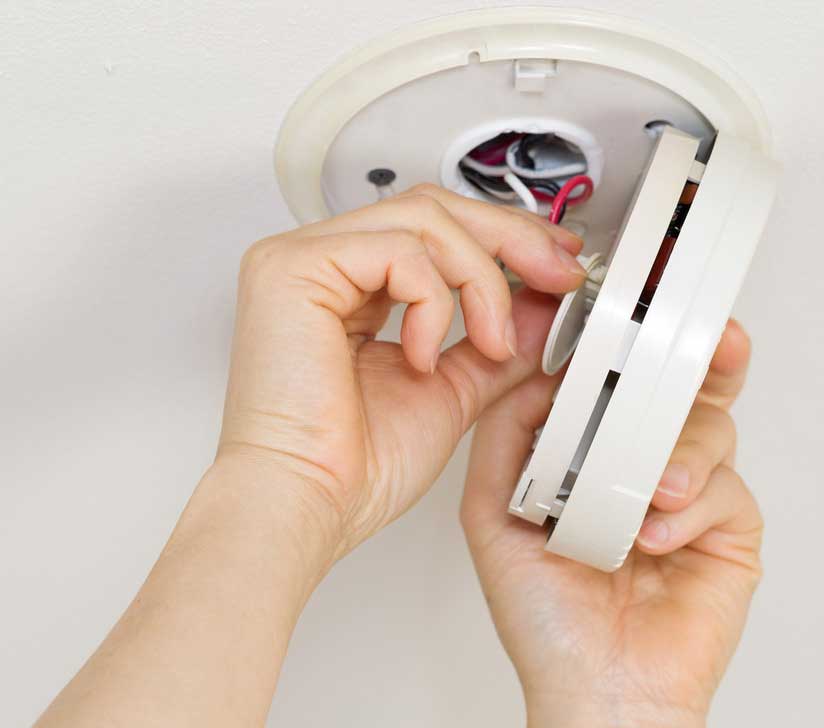
Replacing a hardwired alarm involves more than finding one that looks similar. Check the power connection, mounting bracket and manufacturer-approved interconnection compatibility. Use a qualified electrician for installation or wiring changes.
Combination Smoke and Carbon Monoxide Alarms
Combination alarms provide smoke and CO detection in one device. Compare power options, replacement dates, voice alerts and compatibility with your existing system.
Interconnected Alarms
Interconnected alarms sound together when one detects a hazard. Check the manufacturer’s approved compatibility information before mixing brands or models.
Explore our alarm buying guides
Replacing an Older or Discontinued Alarm?
An old model number can make finding a replacement confusing.
Our guides cover older Firex, Kidde, First Alert and BRK alarms, including the questions to ask before buying: Will the replacement connect correctly? Does the mounting bracket need changing? Will it work with the other alarms in the home?
A matching plug or familiar brand name alone does not confirm compatibility.
Simple Checks That Help Keep Your Alarms Ready
- Test alarms at least monthly, following the manufacturer’s instructions.
- Check manufacture and replacement dates.
- Replace batteries according to the instructions for your model.
- Clean alarms as directed by the manufacturer.
- Check official recall notices.
- Make and practice a home fire escape plan.
Start With the Question You Need Answered
- Why is my smoke alarm chirping?
- How do I find my alarm’s replacement date?
- Which replacement works with my old alarm?
- What is the difference between hardwired and battery-powered alarms?
- Should I choose separate smoke and CO alarms or a combination model?
Find clear answers before you buy.
Affiliate disclosure: As an Amazon Associate I earn from qualifying purchases.


