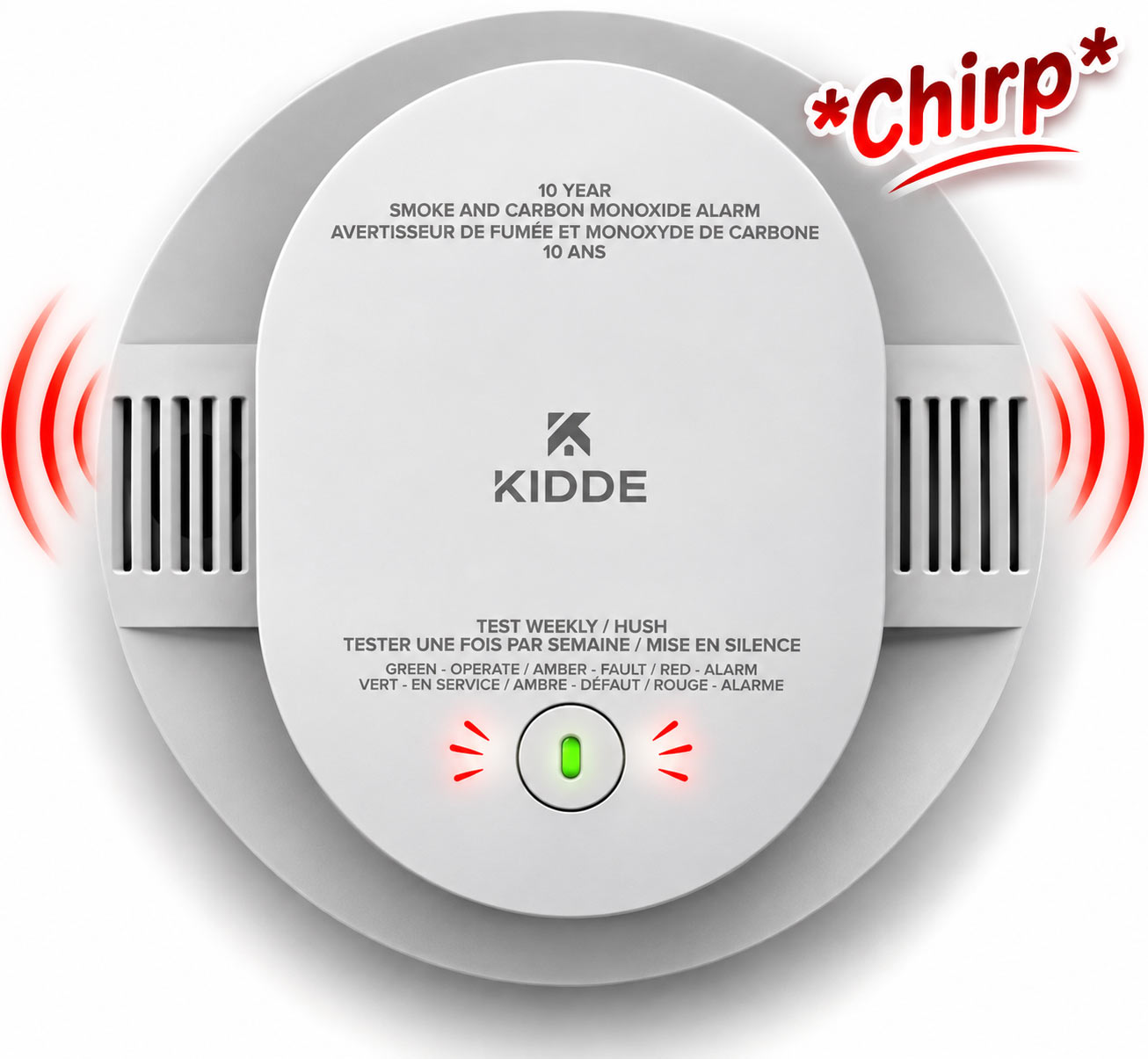
You have fitted a fresh battery, but your smoke alarm is still chirping. Before buying another battery—or replacing the alarm—check whether the warning is actually reporting low power, a fault or the end of the alarm’s service life.
This guide covers occasional maintenance chirps. If you hear an emergency alarm, suspect fire or carbon monoxide, or cannot establish that the warning is harmless, get everyone outside, call 911 and stay outside.
Confirm Which Device Is Chirping
Sound can be difficult to locate, especially when the warning occurs only once a minute. Check that the noise is coming from the alarm you have serviced. A nearby CO alarm, security device or an old detector waiting for disposal may be responsible.
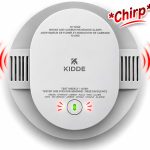
Watch the device during the chirp and note any accompanying light or voice message. Use its model-specific manual to interpret the signal rather than assuming every short sound means low battery.
Recheck the Battery Installation
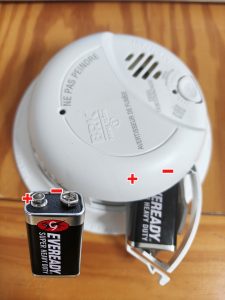 A fresh battery will not help if it is the wrong type or is not making proper contact.
- Use the battery type specified in the manual.
- Check the polarity markings and secure the battery connection.
- Remove any activation tab.
- Close the battery drawer fully and seat the alarm correctly on its bracket.
- Use rechargeable batteries only where expressly permitted.
If the manual calls for several batteries, replace them as a complete set as directed. Do not mix old and new batteries.
An alarm with a sealed battery has different instructions. Do not pry it open or attempt a battery conversion.
Check Whether a Reset Is Required
Some alarms retain a warning condition after a battery change and need a manufacturer-specified reset. Others return to normal without that procedure.
Find the exact model’s instructions. Do not follow a universal “hold the button for 30 seconds” tip: button functions, power arrangements and activation methods vary.
If a reset requires electrical disconnection, follow the safety instructions and use a qualified electrician when appropriate. Do not work on mains connections while troubleshooting a chirp.
Read the Fault and Replacement Warnings
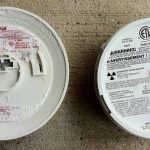
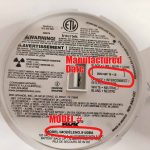
An end-of-life signal will not be fixed by another battery. Check the manufacture or replacement date and compare the chirping pattern with the manual.
Smoke alarms generally need replacement ten years after manufacture, or sooner where specified. CO and combination alarms can have different service lives. If the unit is within its replacement period but reports a persistent fault, contact the manufacturer about troubleshooting or warranty options.
Consider Contamination or a Power Problem
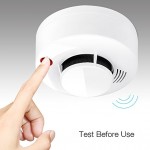
Follow the manual’s cleaning instructions if dust or insects may be interfering with the alarm. Test it afterward. A hardwired model may also have a mains-power problem that needs an electrician’s attention.
Do not repeatedly reset an alarm while ignoring a recurring fault. Leave the home protected by functioning alarms while arranging a suitable repair or replacement.
When Should You Buy a Replacement?
Replace an expired alarm, one that fails testing after the specified checks, or one the manufacturer identifies as faulty. Before ordering, record the model number, power source and interconnection requirements.
The right replacement solves a verified problem. Start with identification rather than choosing an alarm simply because it looks similar.
Sources
- Kidde: Intermittent beeping and chirping
- First Alert: Interpreting chirps
- US Fire Administration: Smoke alarms


Replacement Batteries for Smoke Alarms
Check your smoke alarm’s manual before buying batteries. Different models require different sizes, types and sometimes specific approved battery models. Choose the exact battery specified for your alarm—not simply one that fits.
The options below are for alarms with user-replaceable batteries. Sealed-battery alarms cannot have their batteries changed, and a fresh battery will not fix an expired alarm or an end-of-life warning.