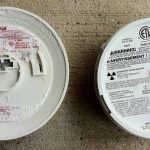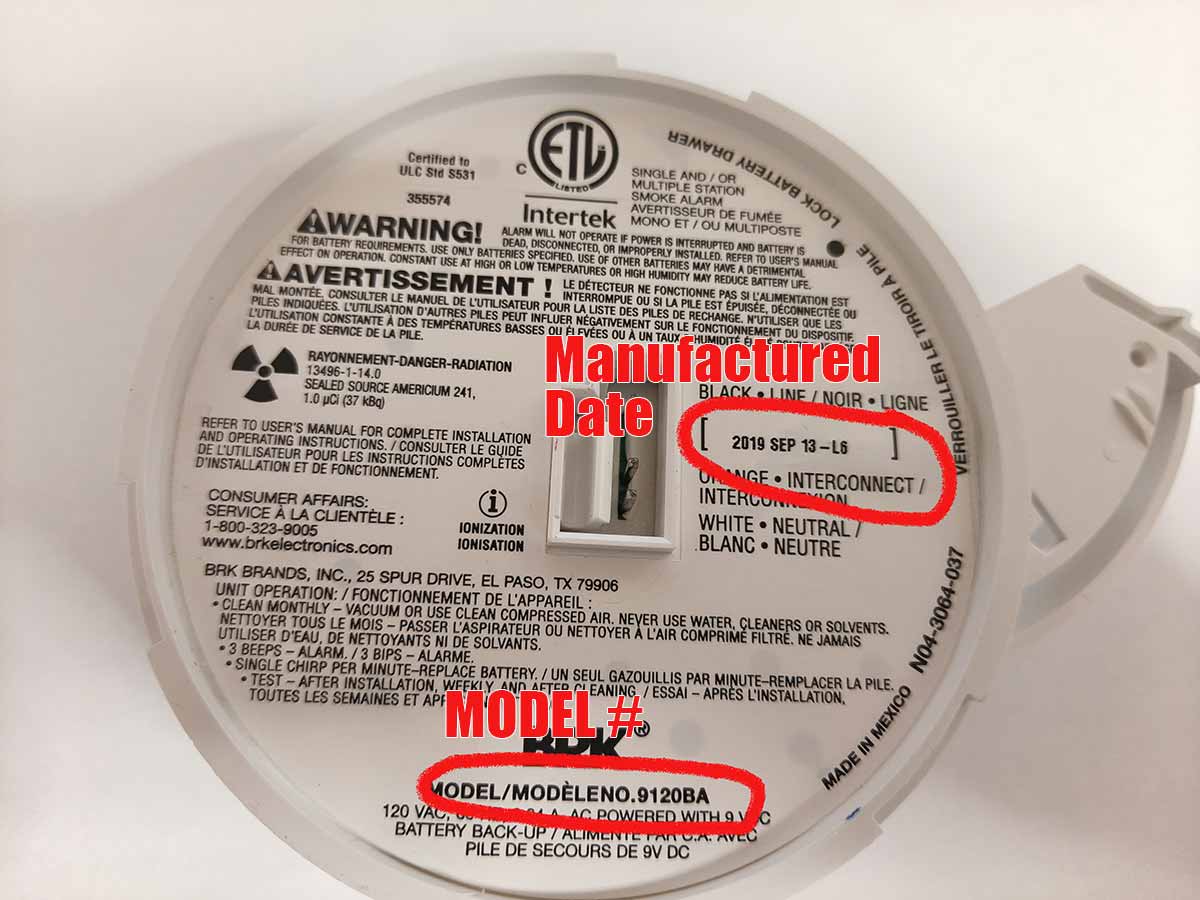
Two smoke alarms can look almost identical while using different connectors, batteries or interconnection systems. Before searching for a replacement, identify the exact device already installed.
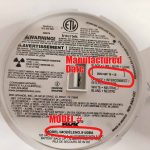
The model number and date information help you locate its manual, understand warning signals and check replacement options. A clear photograph of the label is often more useful than a description of the alarm’s appearance.
Start With the Visible Information
Look for the manufacturer’s name on the front and check any paperwork, installation records or product packaging you still have. Some alarms display useful information on the side as well as underneath.
For many models, the detailed identification label is on the back. Do not stand on an unstable chair to inspect it. Follow the removal instructions and electrical safety requirements for your alarm; ask a qualified installer if safe access or hardwired removal is uncertain.
Do not disconnect an alarming device during a possible emergency to read its label. Get outside and call 911 first.
What to Photograph
Take a sharp photograph of the entire label, then close-ups if the print is small. Record:
- Manufacturer and complete model number, including suffixes.
- Manufacture date or date code.
- Any “replace by” or service-life information.
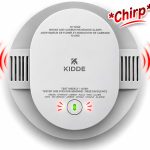
- Whether it detects smoke, CO or both.
- Power requirements and battery details.
The serial number identifies an individual unit. It is not necessarily the model number needed to find a manual. A certification mark or standard number is not a replacement model number either.
Manufacture Date, Installation Date and Warranty
These dates serve different purposes. The manufacture date records production; the installation date records when someone fitted the alarm; a warranty describes coverage under the manufacturer’s terms.
Do not treat warranty length as proof of remaining service life. An alarm bought recently may have spent time in storage, and changing its battery does not restart its age.
Use the model’s instructions to interpret its replacement interval. General US smoke-alarm guidance calls for replacement ten years from manufacture, with earlier replacement where required. CO and combination models need their own lifespan checked.
What If the Date Is a Code?
Some labels use a date code rather than a plainly written date. Search the manufacturer’s official support information using the full model number. If the format is unclear, send the label photograph to the manufacturer.
Do not guess from an unexplained string of numbers or assume that a stamped number on the plastic housing is the finished alarm’s manufacture date.
What If the Label Is Missing or Unreadable?
Check installation records and contact the manufacturer. If the alarm’s age or identity cannot be established, arrange replacement rather than assuming it is recent.
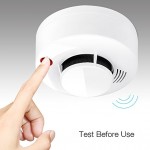
Reinstall and test any alarm removed for inspection according to its instructions. Do not leave it disconnected while shopping.
Use the Model Number to Choose Correctly
Find the official manual and replacement guidance. If the alarm is interconnected, identify the other connected devices too: a suitable replacement for one position must also work with the system.
Keep the photographs in a phone folder or simple home-maintenance record. Next time a warning occurs, you will have the information ready without repeating the inspection.