
 Smoke alarms need regular attention—even when they appear to be working normally. Dust can collect around the openings, batteries can weaken, and the alarm itself will eventually need replacing.
A simple maintenance routine helps you identify problems and keep your alarms ready. Start with the instructions for your particular model: cleaning methods, battery requirements and testing schedules can differ.
1. Test Your Smoke Alarms Regularly
Test every smoke alarm at least monthly, or more frequently if the manufacturer requires it. Some models specify weekly testing.
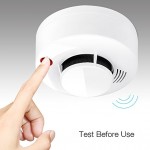
Use the test button according to the manual. Depending on the model, you may need to press and release it or hold it for several seconds.
Warn everyone in the home before testing, and avoid placing your ears close to the alarm.
What Does the Test Button Check?
The test button runs the manufacturer’s built-in test of the alarm’s operation. It is the recommended method for routine homeowner testing.
A successful test does not extend the alarm’s replacement date or remove the need for cleaning and maintenance.
If an alarm does not respond correctly, follow its troubleshooting instructions promptly. Replace it if it fails testing and the problem cannot be resolved as directed.
Never use a match, candle, burning material or vehicle exhaust to test an alarm. Use aerosol test products only if the alarm manufacturer permits them, and follow the specified instructions.
Check Interconnected Alarms
If your alarms are interconnected, follow the manufacturer’s procedure to check that the connected units respond correctly.
If an expected alarm does not sound, investigate the problem. Use a qualified electrician where hardwired connections or electrical faults are involved.
2. Clean Your Smoke Alarms as Directed
Dust, pet hair, cobwebs and small insects can interfere with an alarm. Contamination may obstruct smoke entry or contribute to unwanted alarms.
Check the manual for the cleaning method and frequency. Your alarm may need more frequent attention during dusty conditions or after renovation work.
How to Clean a Smoke Alarm
Depending on the model, the manufacturer may recommend:
- Gently vacuuming the exterior openings with a soft brush attachment.
- Using compressed air as directed.
- Wiping the outside cover with a clean, dry cloth.
For hardwired alarms, follow the electrical isolation instructions before removal or maintenance.
Do not dismantle the alarm, open its sensing chamber or insert tools through its openings unless the manufacturer explicitly instructs you to do so.
Avoid water, household cleaners, solvents and insect sprays. Never paint an alarm: paint can block the openings needed for smoke to enter.
After cleaning, reinstall and reactivate the alarm as instructed, then test it.
3. Check the Batteries
The correct battery routine depends on how your alarm is powered.
Alarms With Replaceable Batteries
Replace batteries according to the manufacturer’s schedule and whenever a low-battery warning occurs.
Use the exact battery type specified in the manual. Check the orientation, secure the connection and close the battery compartment fully.
Use rechargeable batteries only if the manufacturer permits them.
Alarms With Sealed Batteries
Do not attempt to open or replace a sealed battery.
A sealed-battery alarm still needs testing and cleaning. If it gives a low-battery, fault or end-of-life warning, follow the instructions for that model. The entire alarm may need replacing.
Hardwired Alarms With Battery Backup
A hardwired alarm may still need battery maintenance. Check whether it has a replaceable backup battery or a sealed backup supply.
Do not assume that mains power makes battery warnings unimportant. The backup supply provides protection when household power is interrupted.
4. Check the Alarm’s Age
Smoke alarms have a limited service life, including models connected to household electricity.
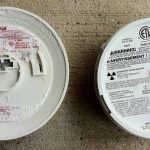
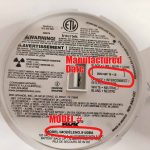
Check the label for the manufacture date, replacement date and model number. Smoke alarms generally need replacing ten years after manufacture, or sooner if specified by the manufacturer or if they fail testing.
Carbon monoxide alarms and combination smoke/CO alarms can have different replacement schedules. Follow the instructions for the exact model.
If the date is unreadable or you cannot establish the alarm’s age, contact the manufacturer for guidance and arrange replacement where necessary.
A new battery does not renew an expired alarm.
5. Pay Attention to Warning Sounds and Lights
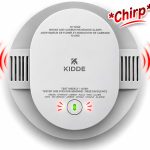
An occasional chirp, a flashing indicator and a full emergency alarm can mean different things.
Use the manual to identify the exact sound and light pattern. There is no universal rule that every red flash means normal operation or every chirp means a low battery.
If an alarm sounds an emergency warning, get everyone outside, call 911 from a safe location and stay outside. Do not assume there is no danger because you cannot see smoke.
For maintenance warnings, identify the cause promptly rather than disconnecting the alarm.
6. Address Repeated Unwanted Alarms
Cooking particles, steam, dust and unsuitable installation conditions can contribute to nuisance alarms.
After an emergency has been ruled out, follow the manufacturer’s troubleshooting instructions. Cleaning or reviewing the alarm’s location may help, but moving it must not leave required areas unprotected.
Use the hush feature only as instructed and when you have confirmed a harmless cause. Do not remove batteries or leave an alarm disconnected to stop unwanted warnings.
If the problem continues, contact the manufacturer or a qualified installer.
7. Keep a Simple Maintenance Record
A brief record makes it easier to keep track of every alarm in the home.
For each unit, note:
- Its location, manufacturer and model number.
- Manufacture and replacement dates.
- Battery type, where applicable.
- Testing and cleaning dates.
- Any warnings or recurring problems.
Keep the manuals somewhere accessible. A recurring phone reminder can help you remember routine checks, but it does not replace responding promptly to a warning.
When It Is Time to Replace an Alarm
Before buying a replacement, check the required power source, installation location and compatibility with any interconnected alarms.
A matching connector or shared brand name does not guarantee compatibility. Follow the manufacturer’s approved replacement guidance and applicable local requirements.
Explore our smoke alarm replacement guides to understand your options before purchasing.
As an Amazon Associate I earn from qualifying purchases.



5