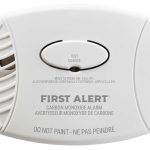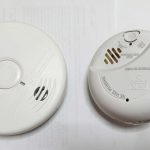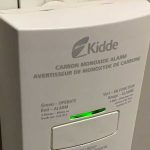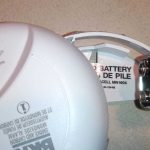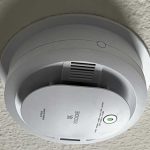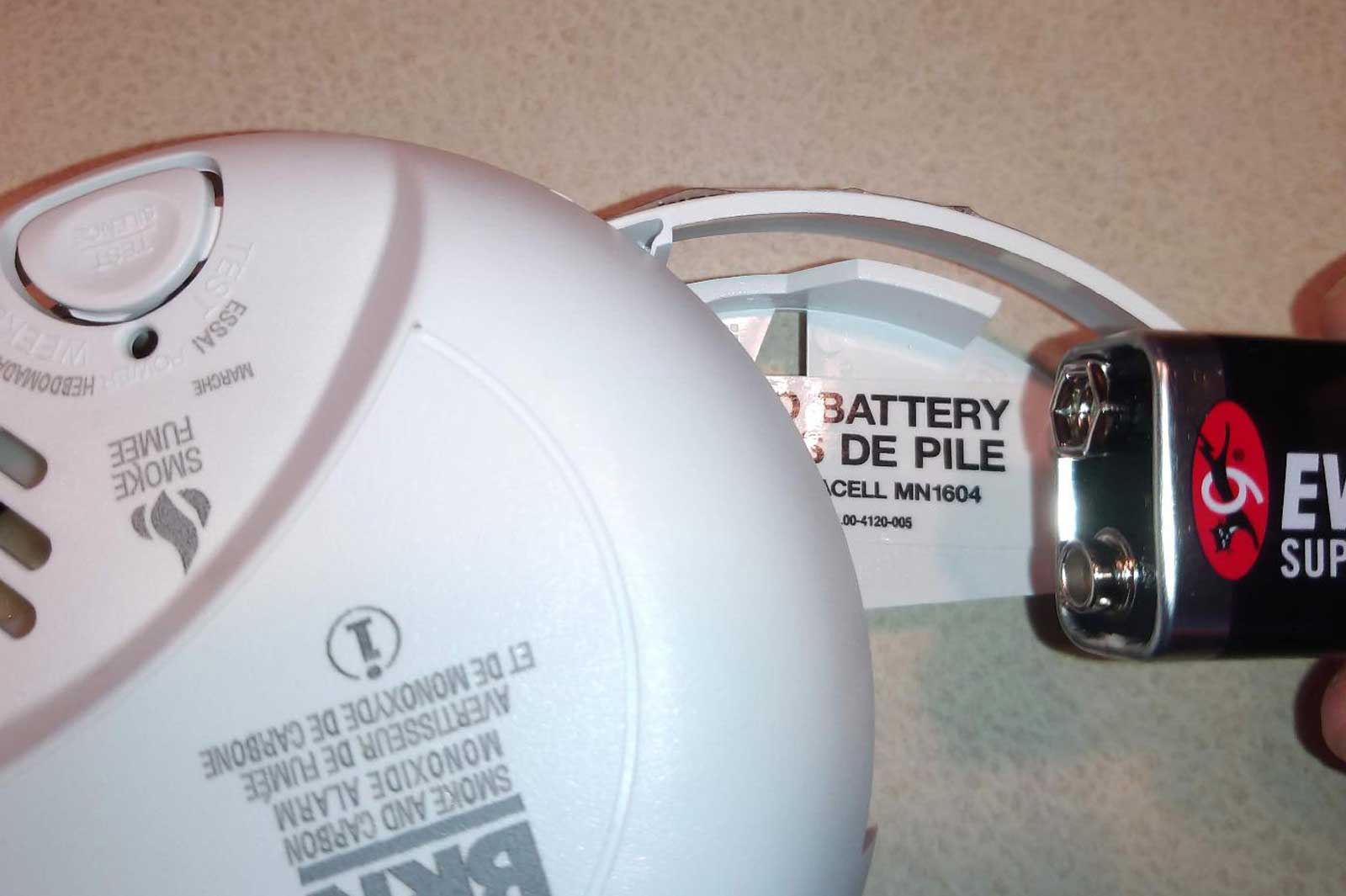
A sealed-battery smoke alarm removes the routine job of changing its battery. A replaceable-battery model lets you renew the specified batteries during the alarm’s service life.
Neither description alone tells you which alarm fits your home. Check the required power supply, interconnection and local rules before comparing convenience or cost.
What Is a 10-Year Sealed-Battery Alarm?
A sealed-battery alarm has a built-in power supply that the user does not replace. Manufacturers design these products for a stated service life, commonly up to ten years.
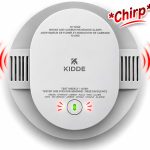
This does not mean the alarm is maintenance-free or guaranteed to operate for exactly ten years in every circumstance. It still needs activation, testing and cleaning according to its manual. A persistent low-battery, fault or end-of-life warning must be addressed when it occurs.
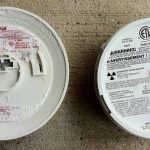
Do not open the housing to replace a sealed battery or operate a permanent deactivation control as a troubleshooting shortcut.
What Is a Replaceable-Battery Alarm?
These models use batteries that the user changes according to the manual. They may be battery-only alarms or hardwired units with replaceable backup batteries.
Use the specified battery type and follow the replacement schedule. A fresh battery does not restart the life of the alarm itself; the detector still has a replacement interval.
Compare the Practical Differences
| Question | Sealed battery | Replaceable battery |
|---|---|---|
| Routine battery changes | Not required during intended service life | Required as directed |
| Can you fit a new battery? | No user replacement | Yes, using the specified type |
| Testing and cleaning | Still required | Still required |
| Low-battery warning | Follow instructions; whole-unit replacement may be needed | Check and replace batteries as directed |
| End-of-life warning | Replace the alarm | Replace the alarm |
| Wireless interconnection | Available on certain models | Available on certain models |
Interconnection is a product feature, not something guaranteed by either battery type.
What About Hardwired Alarms?
“Sealed battery” does not always mean “battery-only.” Some hardwired alarms have a sealed backup battery; others use replaceable backup batteries.
Read the power specification carefully. A battery-only model is not automatically suitable for replacing a required hardwired unit, even if both products advertise a ten-year battery.
Which Costs Less Over Time?
Compare the actual purchase price, the cost of specified replacement batteries and any installation expense. For a hardwired system, compatibility and required electrical work can matter more than a small difference in alarm price.
Do not assume an inexpensive pack is a bargain before checking certification, suitability and service-life information. Likewise, a more expensive model is not automatically a better match.
Which Should You Choose?
A sealed-battery model may suit a permitted battery-powered location where reducing battery changes is valuable. A replaceable-battery model may suit a location where that product type is allowed and routine changes are manageable.
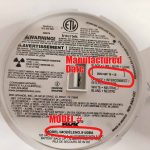
Before ordering, check local requirements, the alarm’s power specification, any approved interconnection, maintenance instructions and replacement information.
Choose the device that meets those requirements first, then compare the convenience and running costs.