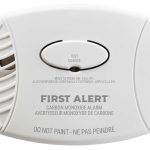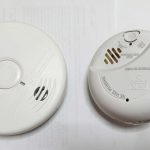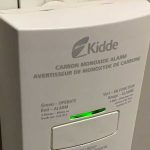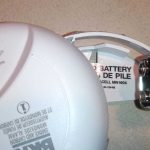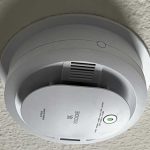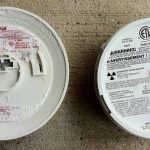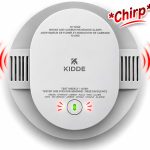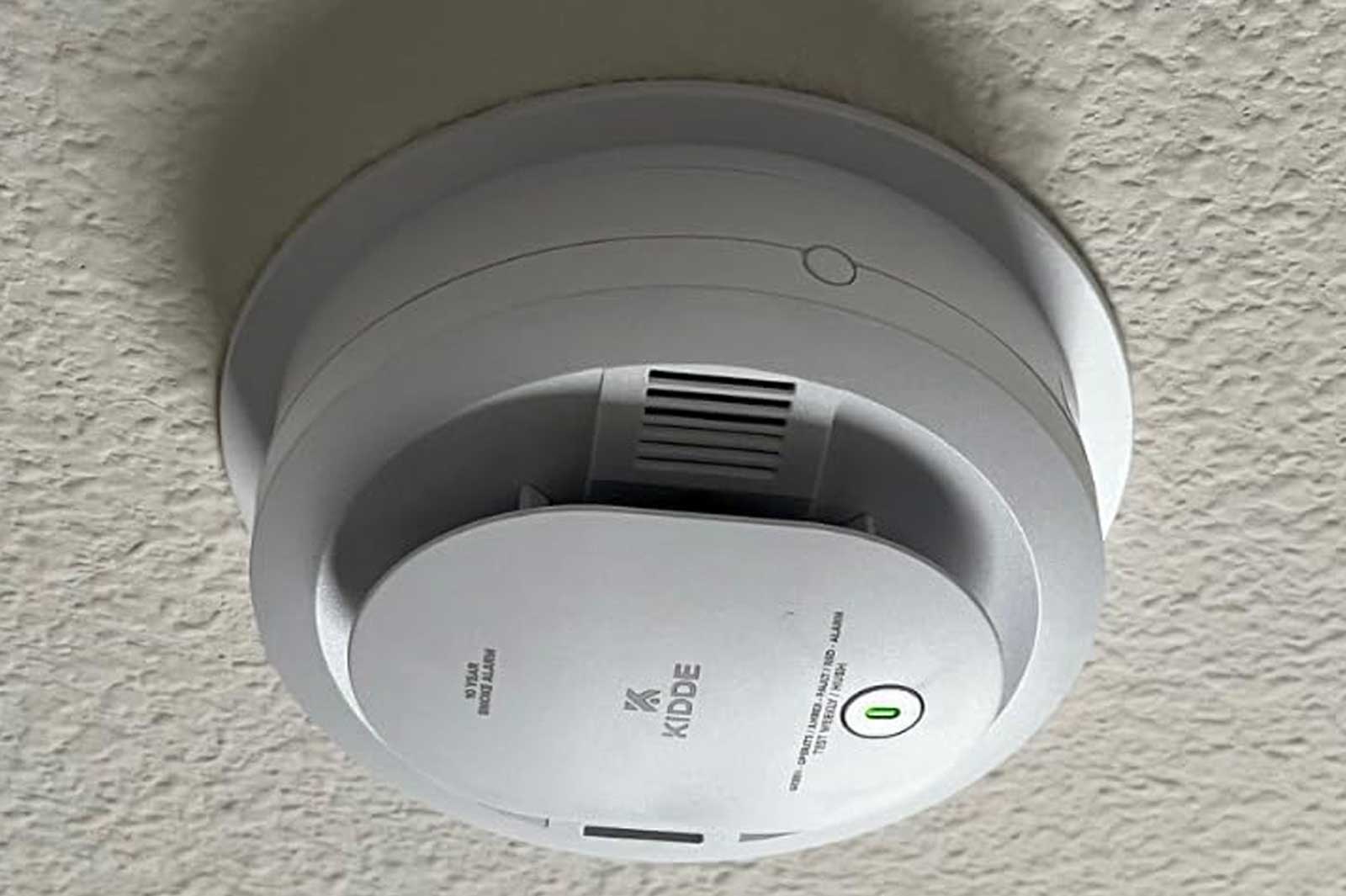
Replacing a hardwired smoke alarm is not simply a matter of finding the same size and shape. The new device needs the correct power arrangement, a secure mounting system and documented compatibility with any connected alarms.
Use this checklist before ordering so you can compare suitable products and give your installer useful information.
Identify the Existing System
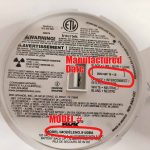
Record the full model number and manufacture date of each connected device. Note smoke-only alarms, combination smoke/CO alarms and any connected accessories.
Check whether the system has mains power with replaceable backup batteries or a sealed backup supply. Do not assume every alarm installed in the same house is identical.
If your property uses detectors connected to a central security or fire alarm panel, obtain guidance for that system. A standalone 120-volt residential alarm is not a general replacement for a panel-connected detector.
Understand Power and Interconnection
Power runs the alarm. Interconnection carries the signal that makes other compatible alarms sound. These are separate functions.
Some products communicate wirelessly while still using household electricity. Others use batteries for power and radio for communication.
Wireless interconnection does not automatically permit removing required hardwired power. State and local requirements, the property and the existing installation all matter. Confirm with the local fire or building authority before changing the system’s arrangement.
Check the Connector and Mounting Plate
A connector that appears similar is not proof of an approved fit. Check the replacement manual and any adapter instructions using exact model numbers.
An approved adapter may let a specified new alarm connect to an existing harness. It does not necessarily allow all old alarms to remain interconnected. Verify the system compatibility separately.
Also check the mounting plate. Use the replacement alarm’s specified mounting hardware rather than forcing it onto an old bracket. A cosmetic cover ring does not solve an incompatible electrical connection or mounting arrangement.
Decide Whether One Alarm or Several Need Replacing
There is no universal rule that one failed alarm means replacing every unit. Equally, replacing just one is not always appropriate.
Check the remaining alarms’ ages and the manufacturer’s approved interconnection information. A mixed-age system may contain units already due for replacement; an older product family may require a coordinated update.
Include any special signaling devices in the review, particularly if someone relies on visual or tactile alerts.
Compare Useful Features
Once compatibility is established, compare the features you need:
- Smoke-only or combination smoke/CO detection.
- Replaceable or sealed backup battery.
- Appropriate interconnected signaling.
- Voice messages, location identification or alarm memory.
- Accessibility options where required.
Check the actual manual. Similar marketing names can cover different regional models or generations.
Arrange Installation and Testing
Use a qualified electrician for hardwired installation. Provide the device inventory and proposed replacements before the visit, especially if harnesses or wiring need changing.
After installation, test the alarms and interconnection as directed. Save the manuals and record replacement dates.
Choose a replacement because it meets your home’s documented requirements—not because the plug looks close enough.