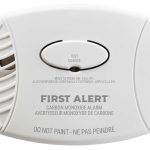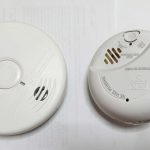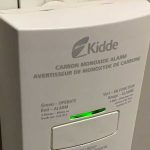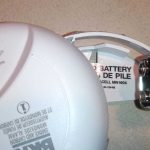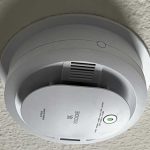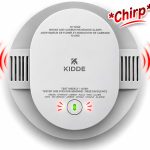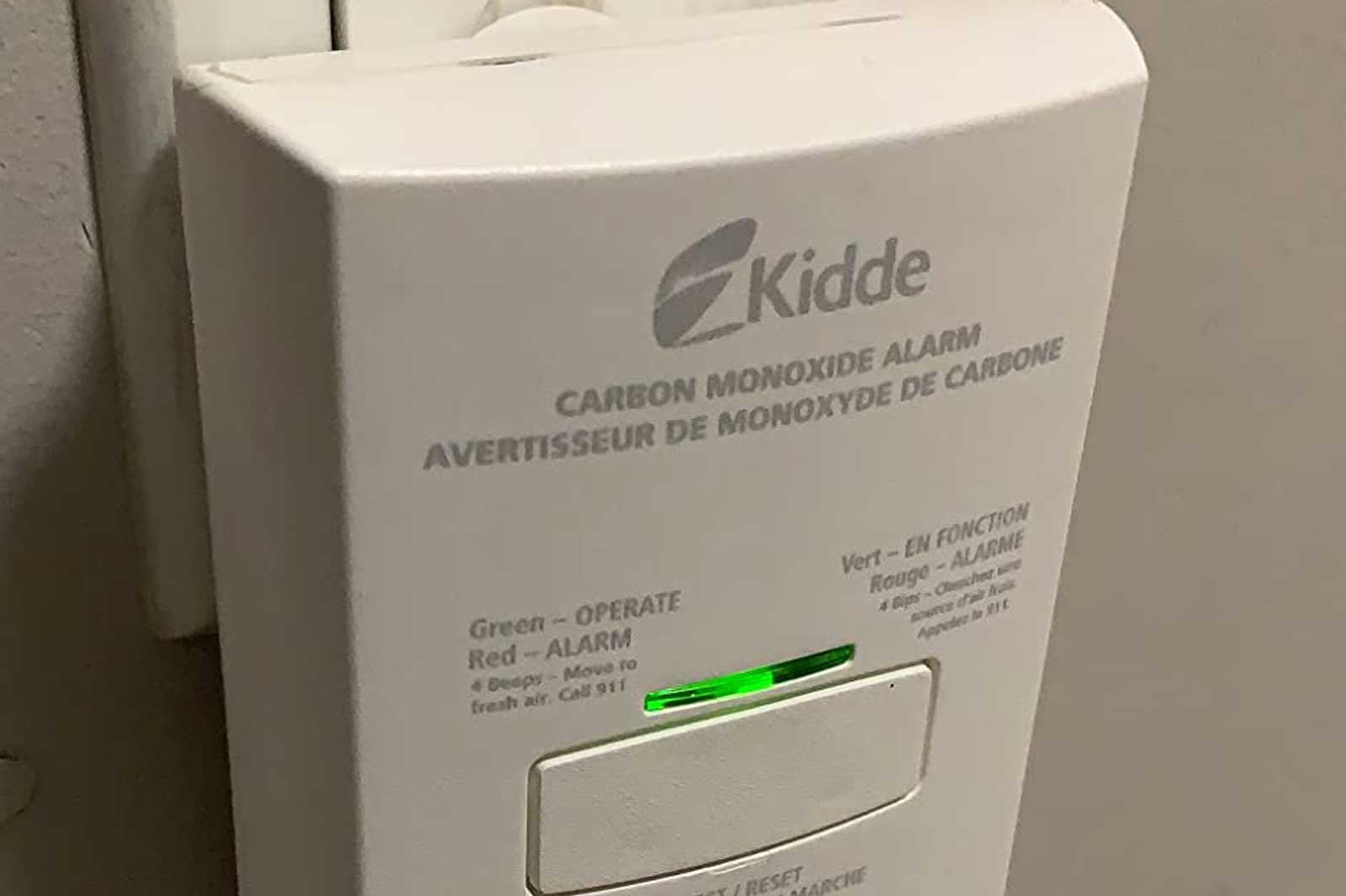
A combination smoke and carbon monoxide alarm monitors two hazards in one device. Separate alarms provide those functions in different units. Either approach can be useful, but only when the products are installed where each type of protection is needed.
Start with your home’s required coverage and existing system. The neatest arrangement is not automatically the most suitable one.
What Does a Combination Alarm Detect?
A smoke/CO combination alarm contains detection for smoke and carbon monoxide. A smoke-only alarm does not provide CO protection, and a CO-only alarm does not detect smoke.
Also check the terminology: “dual sensor” can describe an alarm using two smoke-sensing technologies. It does not automatically mean smoke plus carbon monoxide. Read the listed detection functions rather than relying on the product name.
Placement Comes Before Convenience
US smoke-alarm guidance calls for alarms inside bedrooms, outside sleeping areas and on each level. CO guidance calls for protection outside sleeping areas and on every level, with additional locations where required.
A combination unit is useful where its location meets both sets of requirements and its own installation instructions. It does not automatically eliminate every separate device in the home.
For example, upgrading one hallway alarm to a combination model does not provide smoke-alarm coverage inside every bedroom. Nor does fitting a combination alarm upstairs establish that the basement has the CO coverage it needs.
Check state and local requirements and the manufacturer’s positioning instructions before deciding how many units to buy.
Compare the Two Arrangements
| Consideration | Combination smoke/CO alarm | Separate smoke and CO alarms |
|---|---|---|
| Physical devices at one suitable location | One | Two if both functions are needed there |
| Placement flexibility | One position must suit both functions | Each device can be positioned as instructed |
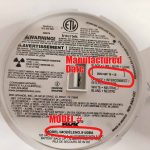
| Replacement | Replace according to the complete unit’s instructions | Track each unit’s own replacement date |
| Maintenance | One housing to identify and maintain | More devices and records to manage |
| Interconnection | Check supported models and hazard signaling | Check each product and system function |
Understand the Warning Signals
Combination alarms use distinct signals for smoke, CO and maintenance warnings. Many use three repeating beeps for smoke and four for CO, but confirm the exact model’s sounds and voice messages in its manual.
If an emergency warning sounds, get outside, call 911 and remain outside. Do not stay inside trying to identify a CO source.
Check Power and Compatibility
Combination alarms are sold in different power and interconnection configurations. A battery-powered model and a hardwired model are not interchangeable just because they detect the same hazards.
If adding a combination unit to an existing system, verify which devices are approved to connect and how smoke and CO warnings are communicated. Do not assume an older smoke-only device gains CO detection merely by being connected to a combination alarm.
Which Arrangement Makes Sense for Your Home?
Choose combination units where they meet both placement needs and fit the approved system. Consider separate units where they make required positioning or replacement more practical.
Make a room-by-room and level-by-level coverage plan before shopping. Then compare suitable products with the power, signaling and features your household needs.