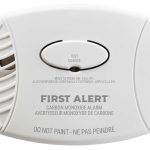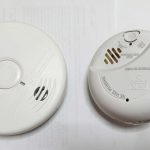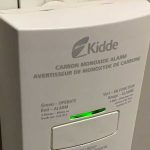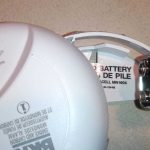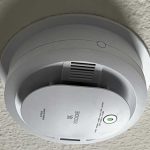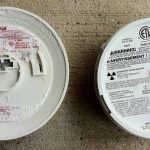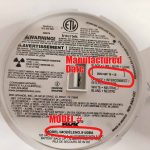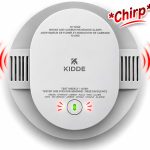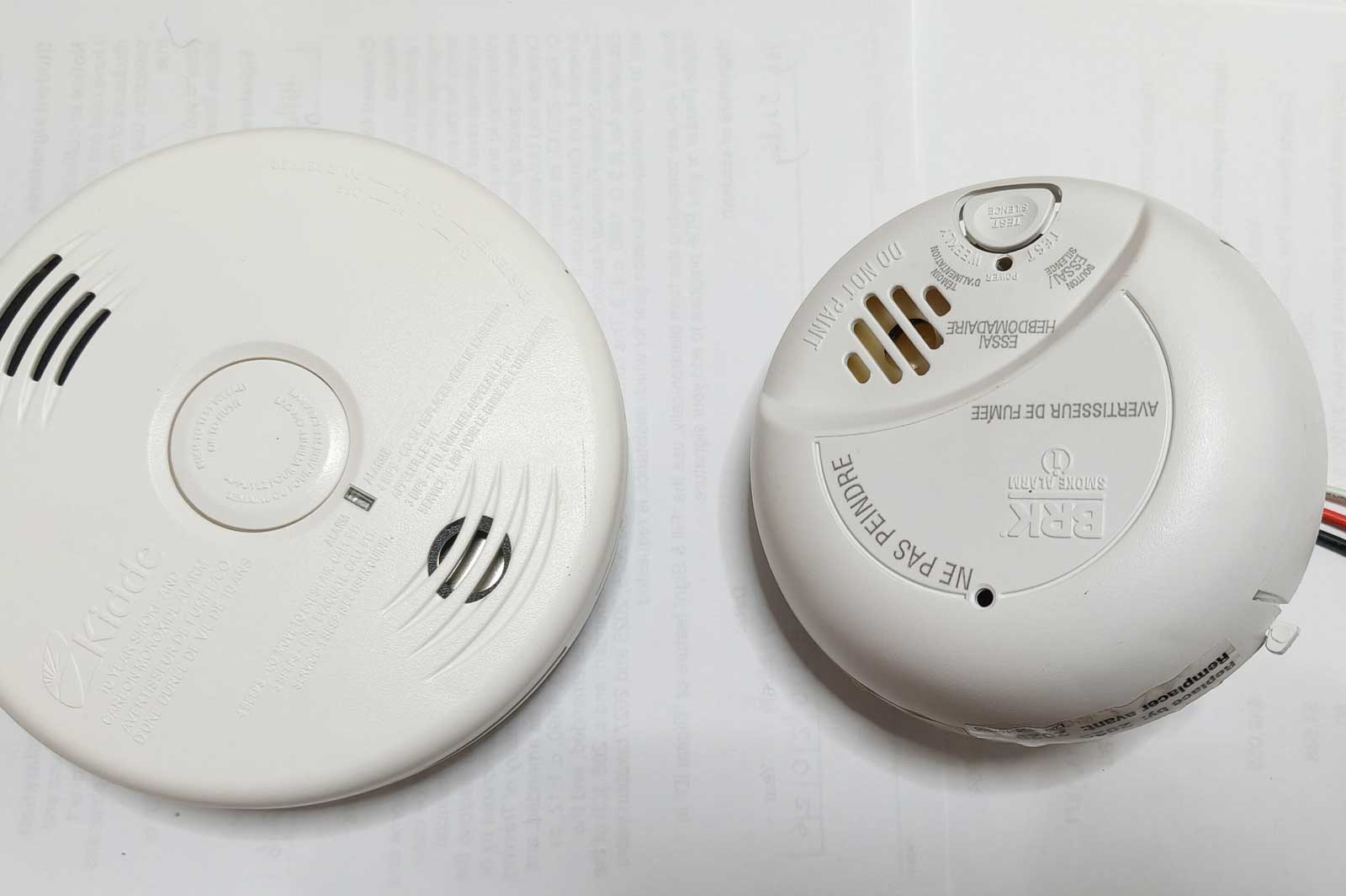
Different smoke-alarm brands can be present in the same home. Whether they can be interconnected is a separate question—and that is where exact model compatibility matters.
Do not connect devices together based only on the brand name, wire colors or the shape of the plug. Use the manufacturer’s documented approval for the proposed combination.
Sharing a Home Is Different From Sharing a System
An independent battery-powered alarm does not necessarily communicate with any other alarm. Having two different brands installed therefore does not establish a compatibility problem by itself.
However, independent alarms must not be used as a shortcut around required interconnection or power arrangements. Check the protection your property requires before changing the system.
For interconnected alarms, activation of one device sends a signal to the others. The products must support that connection and operation.
Can Different Hardwired Brands Interconnect?
Only use a cross-brand combination where the exact equipment and arrangement are documented as compatible.
Kidde publishes information covering specified models, including certain devices carrying other brand names. First Alert likewise directs users to documented compatibility and any applicable adapter instructions. Neither is a reason to assume all products from those brands work together.
Unapproved connections can cause nuisance alarms, damage or failure to provide the expected warning. If the manuals do not clearly establish compatibility, contact the manufacturer or plan a coordinated replacement with a qualified installer.
Does a Wiring Adapter Make Alarms Compatible?
An adapter can allow an approved new device to connect to a specified existing harness. It is not a universal translator for every product attached to the wiring.
Check three things:
- The old alarm or harness covered by the adapter.
- The new alarm models covered by its instructions.
- The devices allowed to remain on the interconnect line.
Some approved adapters include specific interconnection permissions. Others do not establish the combination you want. Read the complete documentation rather than assuming every adapter works the same way.
What About Wireless Alarms?
Wireless alarms also need a compatible communication system. “Wireless interconnect” describes a feature, not a universal standard allowing every radio-equipped alarm to pair together.
Check the product family, exact models, supported accessories and device limits. An app connection or smart-home label does not by itself prove that alarms can provide the required interconnected warning.
Is Staying With One Brand Enough?
No. Different generations and product families may use different connections or signaling. Matching the brand can narrow the search, but it does not replace checking model numbers.
The same applies when adding a combination smoke/CO alarm. Confirm the supported hazard signaling, not merely whether every unit makes a noise during a basic test.
Do You Need to Replace Everything?
Not always. A documented compatible replacement may allow other suitable, unexpired devices to remain. Other systems require a broader update.
Inventory the alarms, check their ages and find the approved replacement path before purchasing. Use a qualified electrician for hardwired work and test the completed system as directed.
The useful buying question is not simply “Which brand?” It is “Which exact models are approved to work together in this installation?”