This guide applies to Ontario, Canada. It does not describe US alarm requirements.
Ontario expanded carbon monoxide alarm requirements for existing residential properties on January 1, 2026. A key change is coverage on every storey in affected homes, including levels without bedrooms.
If you previously checked only the alarm near the bedrooms, review the whole home against the updated guidance.
Which Houses Are Affected?
Ontario’s guidance requires CO alarms in houses with a fuel-burning appliance, a fireplace or an attached garage. The updated rules also cover houses receiving heated air from a fuel-burning appliance located outside the home.
Fuel-burning equipment can include gas, propane, oil or wood appliances. An all-electric house may still fall within the requirements because of an attached garage or another listed condition.
Where Are CO Alarms Required?
In affected houses, alarms are required adjacent to each sleeping area and on every storey, including storeys without bedrooms. The every-storey expansion took effect January 1, 2026.
Follow the manufacturer’s instructions for exact positioning. “Near the bedrooms” is not permission to choose any convenient location, and one upstairs alarm does not establish coverage downstairs.
The Ontario Home Construction Regulatory Authority identifies detached and semi-detached houses, townhomes and cottages among the existing homes affected by the update.
What About Apartments and Condominiums?
The provincial guidance also addresses residential units with fuel-burning equipment, certain units adjoining a service room or garage, and units receiving heated air from an external fuel-burning appliance. Affected units need alarms beside sleeping areas and on every storey of the unit.
There are also provisions for certain public corridors. Owners and managers should check the detailed provincial guidance for the building’s arrangement rather than applying a house-only checklist to a whole complex.
Who Is Responsible?
Building owners are responsible for compliance. In rental accommodation, landlords have installation, maintenance, testing and instruction-provision responsibilities. Tenants should promptly report alarm problems and must not disable devices.
Consult Ontario’s published guidance for the required testing occasions and responsibilities, particularly at tenancy changes or after electrical work.
Choosing a Suitable CO Alarm
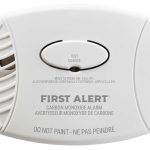
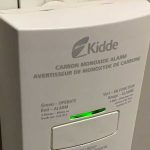
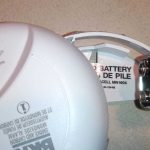
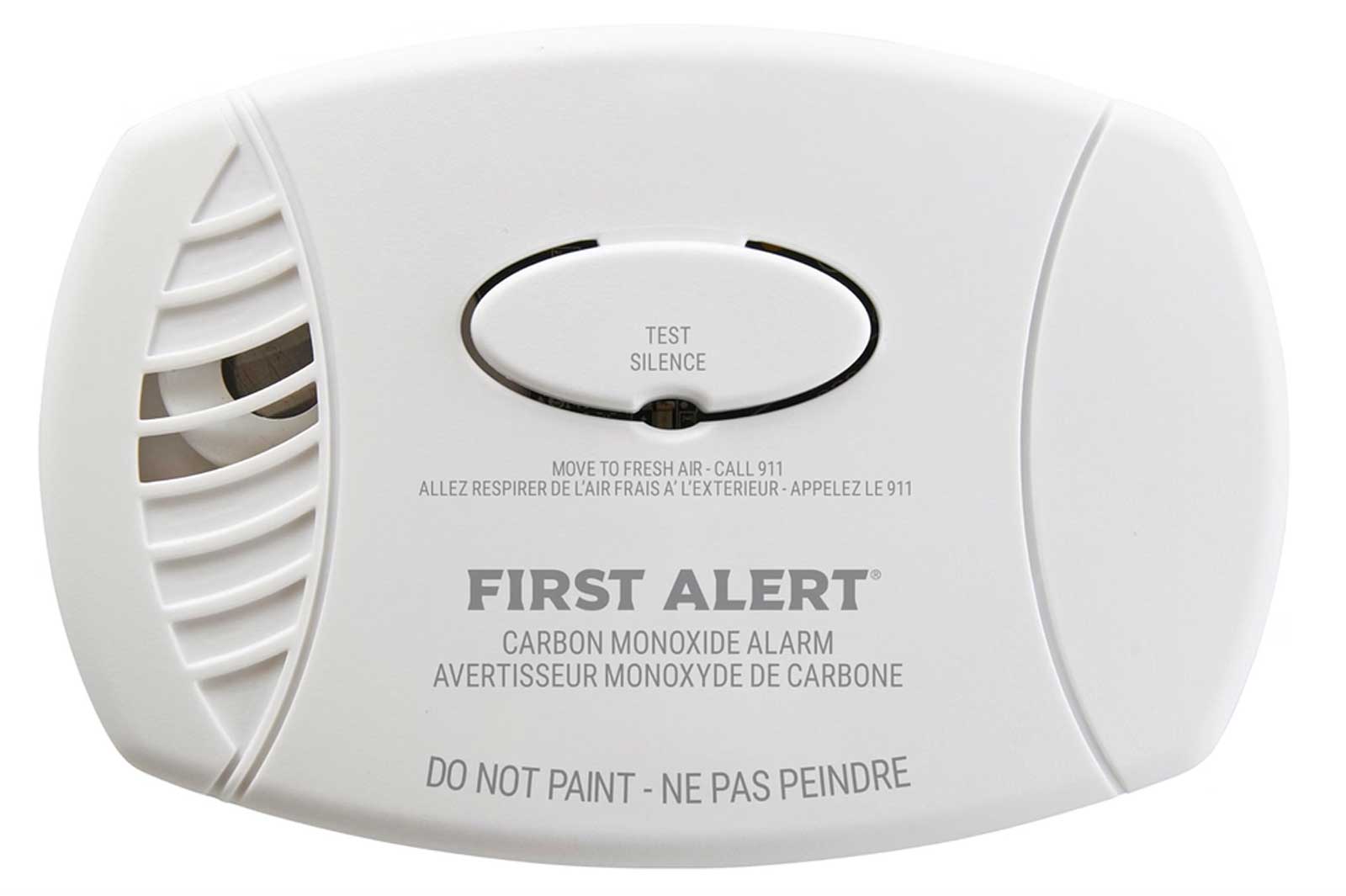
Ontario permits different CO alarm power arrangements, but that does not mean every product is suitable for every location. Choose a device certified for the applicable Canadian standard and follow its manual.
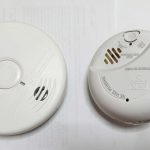
A combination smoke/CO alarm can be an option where it satisfies both functions’ requirements. Adding CO protection does not remove smoke-alarm power, placement or interconnection obligations.
Do not assume a US Amazon listing is the correct Canadian product. Check the model, certification and instructions before ordering.
A Practical Review for Homeowners
List the home’s levels, sleeping areas and fuel-burning equipment. Note the attached garage or any external heating supply. Compare the alarm locations with current provincial guidance, then check each device’s age and condition.
Ask your local fire prevention office about an unclear layout or unusual arrangement. Newly constructed or altered properties may also have applicable Building Code requirements beyond this overview.
If a CO emergency alarm sounds, get outside, call 911 and remain outside. Do not investigate the source yourself or assume an alarm is defective because nobody smells gas.